Integrating Smart Home Technology in Wisconsin: A Step-by-Step Guide
Why Integrate Smart Home Technology?
Integrating smart home technology is becoming increasingly popular, and for good reason. In Wisconsin, where weather conditions can be unpredictable, smart devices offer a convenient way to control and monitor your home. From energy efficiency to enhanced security, the benefits are numerous.
Understanding Your Needs
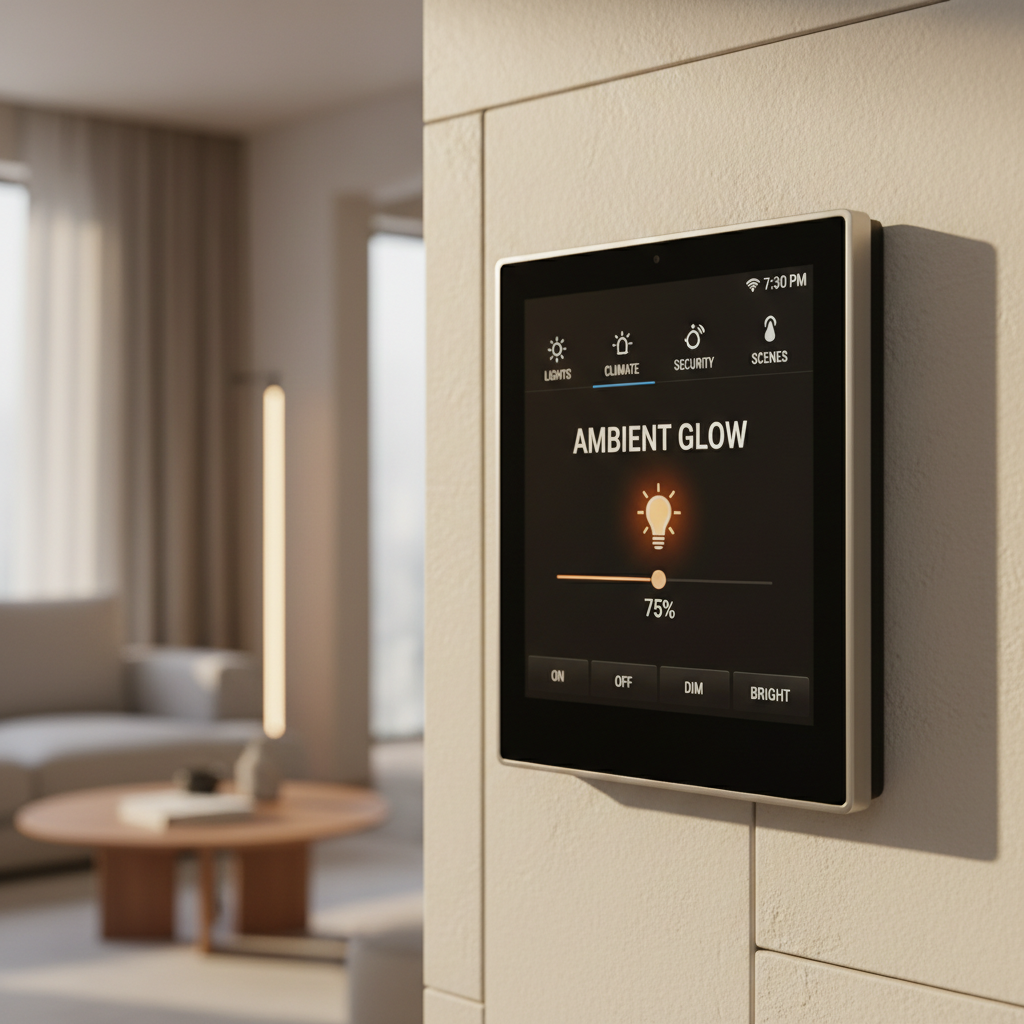
Before diving into smart home integration, it's essential to understand your specific needs. Are you looking to improve security, reduce energy consumption, or increase comfort? Identifying your priorities will guide your choices in technology and devices.
Choosing the Right Devices
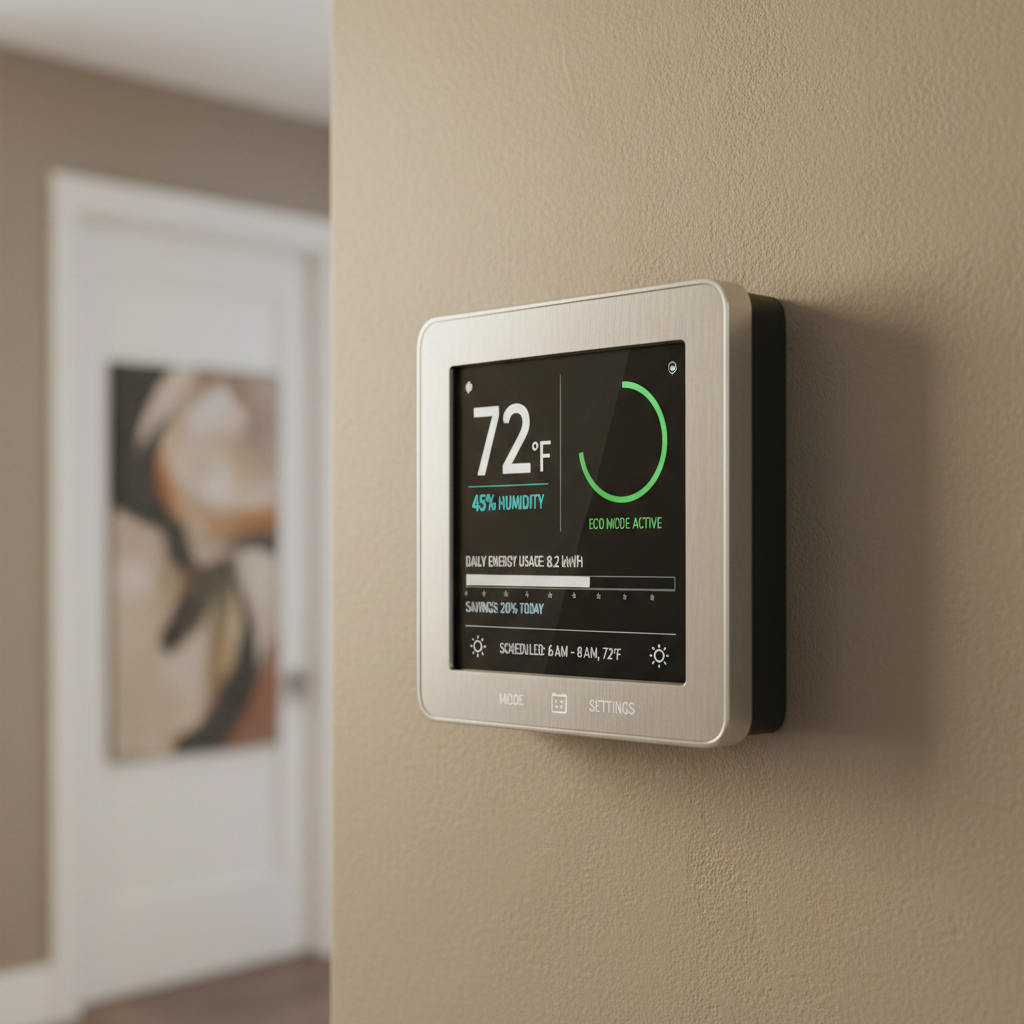
Once you've established your goals, you'll need to select the appropriate devices. Consider options such as smart thermostats, security cameras, and lighting systems. In Wisconsin, a smart thermostat can be particularly beneficial, allowing you to adjust heating remotely during colder months.
Setting Up a Smart Home Hub
A smart home hub acts as the central point for all your devices. It ensures seamless communication between different technologies. Popular options include Amazon Echo, Google Home, and Samsung SmartThings. Choose one that aligns with your existing devices and preferences.
Installation Process
Installing smart home technology can be straightforward if you follow these steps:
- Research and Plan: Evaluate your home’s layout and internet connectivity.
- Purchase Devices: Buy devices that meet your identified needs.
- Set Up Hub: Install and configure your chosen smart home hub.
- Connect Devices: Follow manufacturer instructions to connect each device to the hub.
Maintaining Your Smart Home
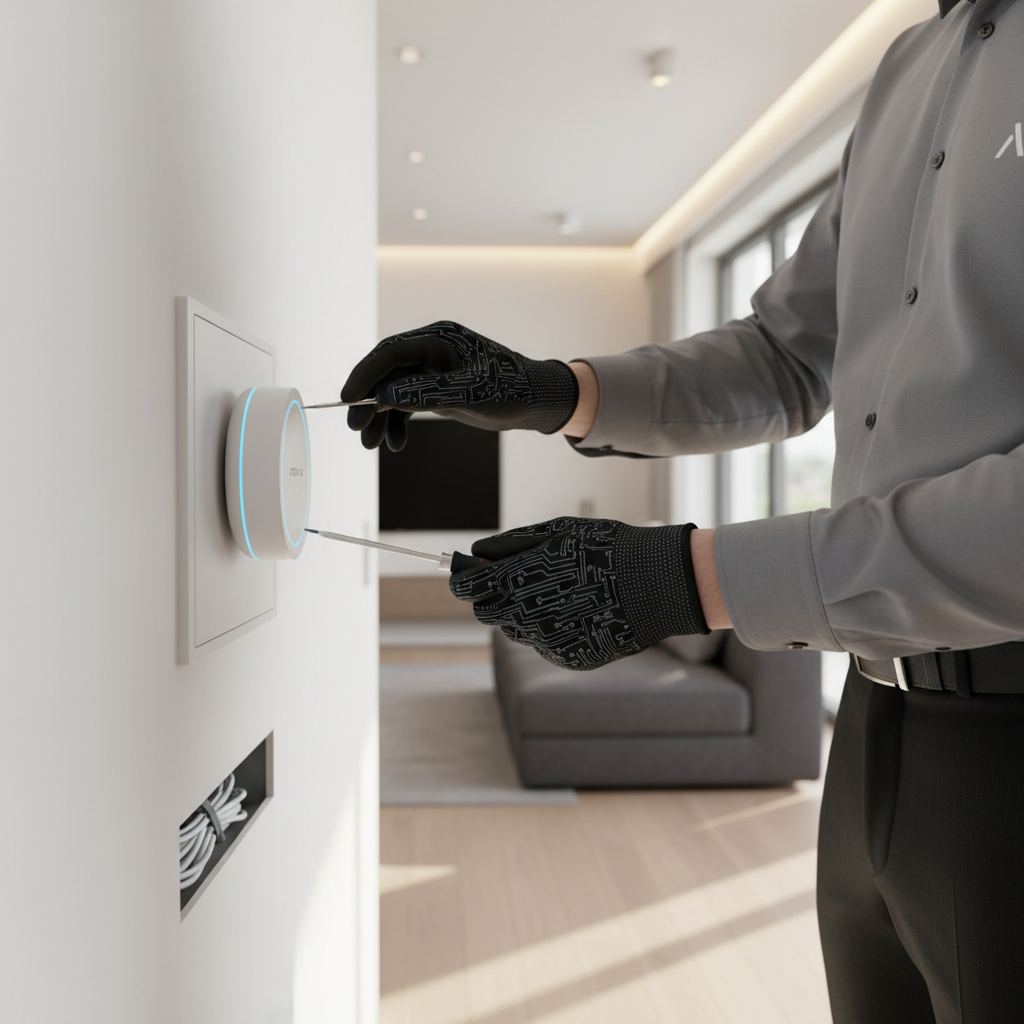
Once everything is set up, regular maintenance will ensure smooth operation. Keep software up to date to benefit from the latest features and security patches. Regularly check device functionality and replace any outdated technology.
Security Considerations
Security is a critical aspect of smart home technology. Protect your network with strong passwords and consider using two-factor authentication. Be mindful of device permissions and regularly review them to maintain privacy.
Future Trends in Smart Home Technology
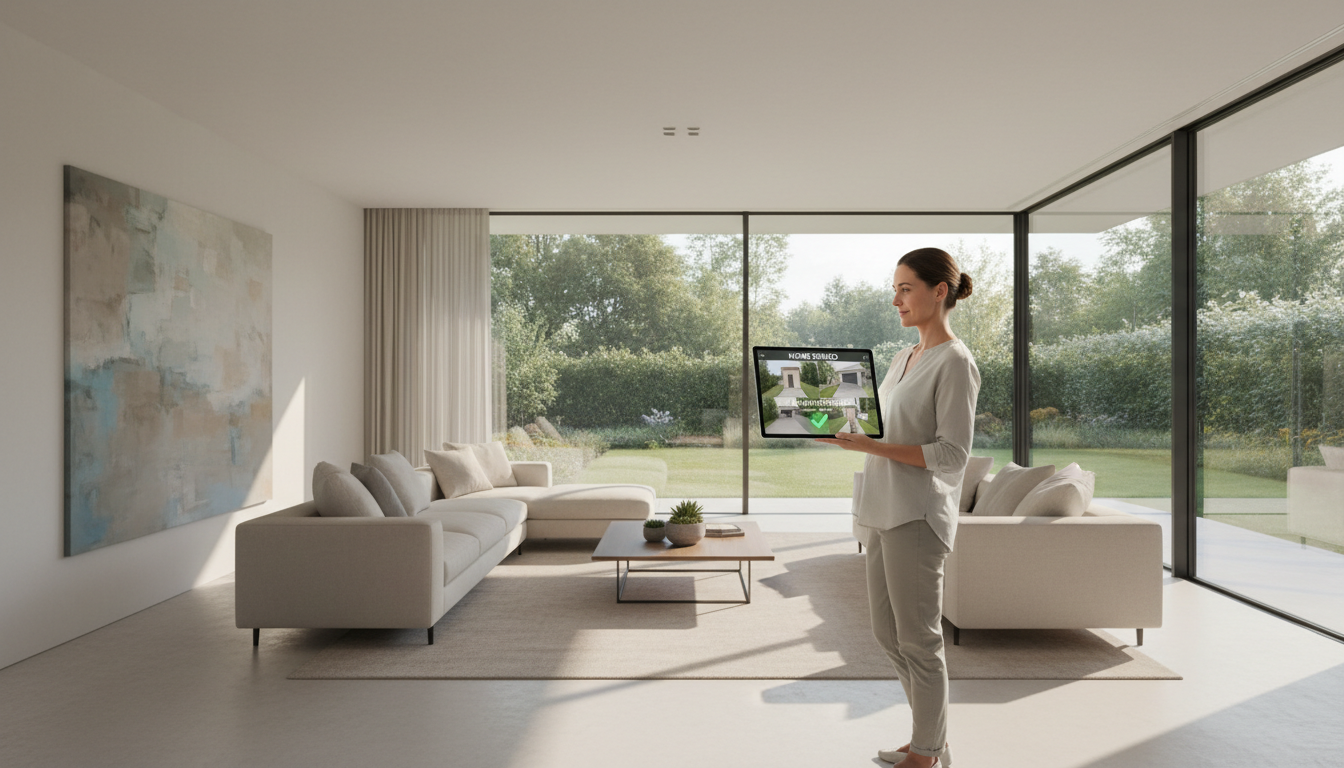
The smart home industry is rapidly evolving. Future trends include more personalized experiences and increased integration with artificial intelligence. Staying informed about these developments can help you make the most of your smart home investment.
Integrating smart home technology in Wisconsin offers numerous benefits, from convenience to energy efficiency. By following this step-by-step guide, you can create a home that meets your specific needs while staying ahead of technological advancements.